




Crypto trading in Thailand
Cryptocurrency trading in Thailand is a remarkable development that has been made possible by digital adoption and the search for alternative investments. The process of selling, buying, and even exchanging digital currencies through special platforms based on price volatility is the essence of trading. However, for those interested in cryptocurrency trading strategies, it is very important to first understand the concept of risk management and secondly, to consider the factors that can lead to maximizing profitability. This is why the Th-Option team has prepared this article.
Today, more and more people and institutions are looking for ways to combine digital assets with their investment strategies as the market continues to change. What is the process of trading cryptocurrency in Thailand? It all depends on knowing the dynamics of the market, as well as how safe it is, and the laws in force in the place. The emergence of virtual currencies and blockchain technology offers the opportunity to diversify portfolios, but it also comes with the same challenges as trade cryptocurrencies, such as price fluctuations, security, and compliance, especially with the ban on cryptocurrency trading in Thailand.
Popular cryptocurrencies traded in Thailand
Ethereum remains the leading smart-contract platform, widely used in DeFi and NFT ecosystems not just globally but also among Thai traders.
Tether (USDT) and USD Coin (USDC) have gained significance in 2025; they were officially permitted for trading by the Thai regulator, granting them popularity because of their ability to limit exposure to high fluctuation and efficiently move assets away from fiat.
Other often-traded tokens are Binance Coin (BNB), gaining its greatest utility within the Binance ecosystem. Besides earning fee discounts, Binance allows services beyond just exchanges. Cross-border transfers and liquidity chains also make XRP a regular asset in terms of trading.
As an extension from those front runners, there has been really strong local interest in a wider range of altcoins and tokens. Fast blockchains such as Solana (SOL) appeal to traders looking for high throughput for DeFi and NFT operations, and meme and community tokens like Dogecoin (DOGE) and Shiba Inu (SHIB) continue to be popular speculative plays.
| Cryptocurrency | Role / Why Traders Choose It | Trend |
|---|---|---|
| Bitcoin (BTC) | Most liquid crypto; store of value | Continues to lead market share |
| Ethereum (ETH) | Smart contracts; DeFi & NFTs hub | High utility, staking yield demand |
| Tether (USDT) | Dollar-pegged stablecoin | Widely used for stable trading pairs; regulated in Thailand |
| USD Coin (USDC) | Regulated stablecoin | Growing adoption as USDT alternative |
| Binance Coin (BNB) | Exchange utility token | Popular due to exchange ecosystem |
| XRP | Payments and liquidity | Strong interest in cross-border use cases |
| Solana (SOL) | Fast blockchain for DeFi/NFTs | Trader interest in high-speed trading |
| Meme tokens (DOGE, SHIB) | Community-driven assets | Speculative but frequently traded |
How cryptocurrency trading works
Cryptocurrency trading is a process that requires an expert trader’s continuous assessment of the market for the best entry and exit positions by monitoring the price movements, order books, and market trends. The traders have different approaches like day trading, swing trading, and scalping to get profits from small price changes while some others are patient and hold for a long time according to the asset’s value. Leverage and derivatives on the transaction platforms can increase the size of profits and the magnitude of risks at the same time making risk management very important.
The traders working with the decentralized and round-the-clock markets need to be alert all the time and make quick adaptations to the price shifts that happen as a result of news, regulation, or tech changes. Automated trading strategies are commonly utilized among traders via crypto bots to enhance trading output. For fast-paced trading in the crypto market, bot trading has become a very useful and widely adopted tool.
Main ways people trade cryptocurrencies:
- Spot Trading refers to buying and selling actual digital tokens on exchanges.
- In margin trading, you borrow an actual advance for greater position digit.
- Derivatives trading – forecasting price movement through a futures contract or CFD.
- Automated trading mechanisms use both softbots and cryptobots for trading execution.
- The alternative for long-term holding is HODLing, holding a good of cryptocurrency like a long-term investment.
What is blockchain?
Decentralized technology empowers cryptocurrencies. With the help of multicurrency computer transaction registers, this becomes both a ledger and a recording of transactions spread over the network. The data is distributed among nodes and notched up to a numerical grade of impossibility for any chance of irreversible alteration or hacking.
Every set of transactions is collected into a block, and these blocks get linked chronologically. The information on a blockchain remains unaltered upon validation by the network. Trust among users is gained by this integrity of open access that stands on decisions honed among unknown users. Blockchain is how cryptocurrency markets can enable direct value exchange between users without involving banks or middlemen for payment processing. It also allows them to confirm coin ownership, track movement, and partake in DeFi applications that work without any intermediary.
Spread, lot size and leverage in crypto trading
Three interrelated terminologies that go a long way in determining both profit and risk in crypto trading are bid-ask spread, lot size, and leverage. This spread which really comes in between a broker’s bid price and ask price is the cost of entering a trade. Typically, a narrow spread implies higher liquidity and lower trading costs while a wider spread could point to the fact that it occurs in coins that are not mainstream.

Lot size helps a trader to know exactly how much cryptocurrency he is trading in one position. Lot size enables a trader to regulate his own exposure to the market. Smaller lot sizes are mostly used by beginners for risk minimization, but the experienced ones, who have enough expertise of the ins and outs of trading, would normally prefer large or huge lot sizes to get high returns.
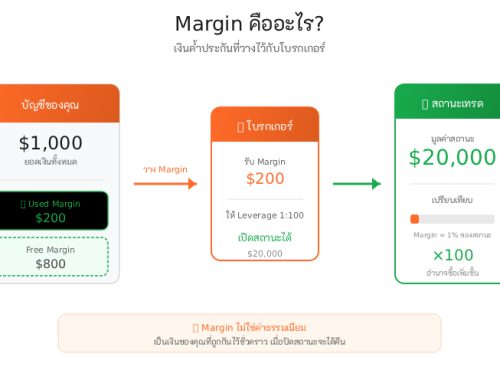
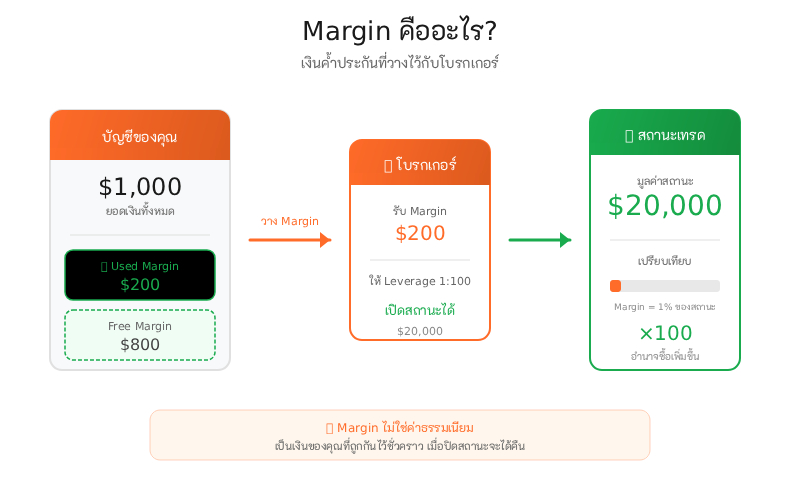
Using leverage, a client can go ahead and open huge trades to exceed their deposit. It is like having to kill two birds with one stone since this is what allows the trader to trade a large capital with a smaller amount of money. However, the expectation that leveraging will increase a client’s account does not necessarily stand if the market swings in such a way as to hit the trade-on-wrong-direction trigger.
- Spread – the cost of entering and exiting a trade
- Lot size – how big your position is
- Leverage – how much you amplify your trading power
| Element | What It Means | How It Affects You |
|---|---|---|
| Spread | Difference between buy and sell price | Determines trading cost |
| Lot Size | Amount of crypto in one trade | Controls profit and loss size |
| Leverage | Borrowed funds to increase position | Multiplies both gains and losses |
Buying and selling digital assets
Deciding what to sell and when to sell constitute the very heart of digital asset trading. To get the right timing, traders have to resort to different types of analysis and sometimes even the use of market indicators to make their predictions about price changes. There is always a possibility of making a profit if coming in and going out at the right moment. The market never stops, so traders can always find opportunities; however, it also requires them to be very alert and disciplined all the time.
Understanding cryptocurrency exchanges in Thailand
Exchanges are the intermediaries that connect buyers and sellers and allow them to make transactions. In Thailand, they can choose from exchanges that operate locally and globally. The exchanges are different in terms of regulation, liquidity, and user experience. The decision on which exchange to use depends on several factors, including the level of security, the fees, the currencies that are supported, and overall user-friendliness.
Legal status of crypto trading in Thailand
The Thai SEC enforces government regulations to control digital asset operations, hence legalizing cryptocurrency trading through financial markets that are licensed and working within AML and KYC guidelines. Every trader must closely monitor any changes in the regulations to stay clear of the law. Many traders use bots to trade crypto for automated trading. With bot crypto, strategies can be managed more effectively and less human error occurs.
Trading strategies: ways to trade crypto
In Thailand, crypto trading is influenced by both global market dynamics and local factors such as fiat currency flows, regulation, and platform access. Traders adjust their draft based on the time horizon, risk tolerance, and the prevailing market conditions in their trading room.
Day trading crypto
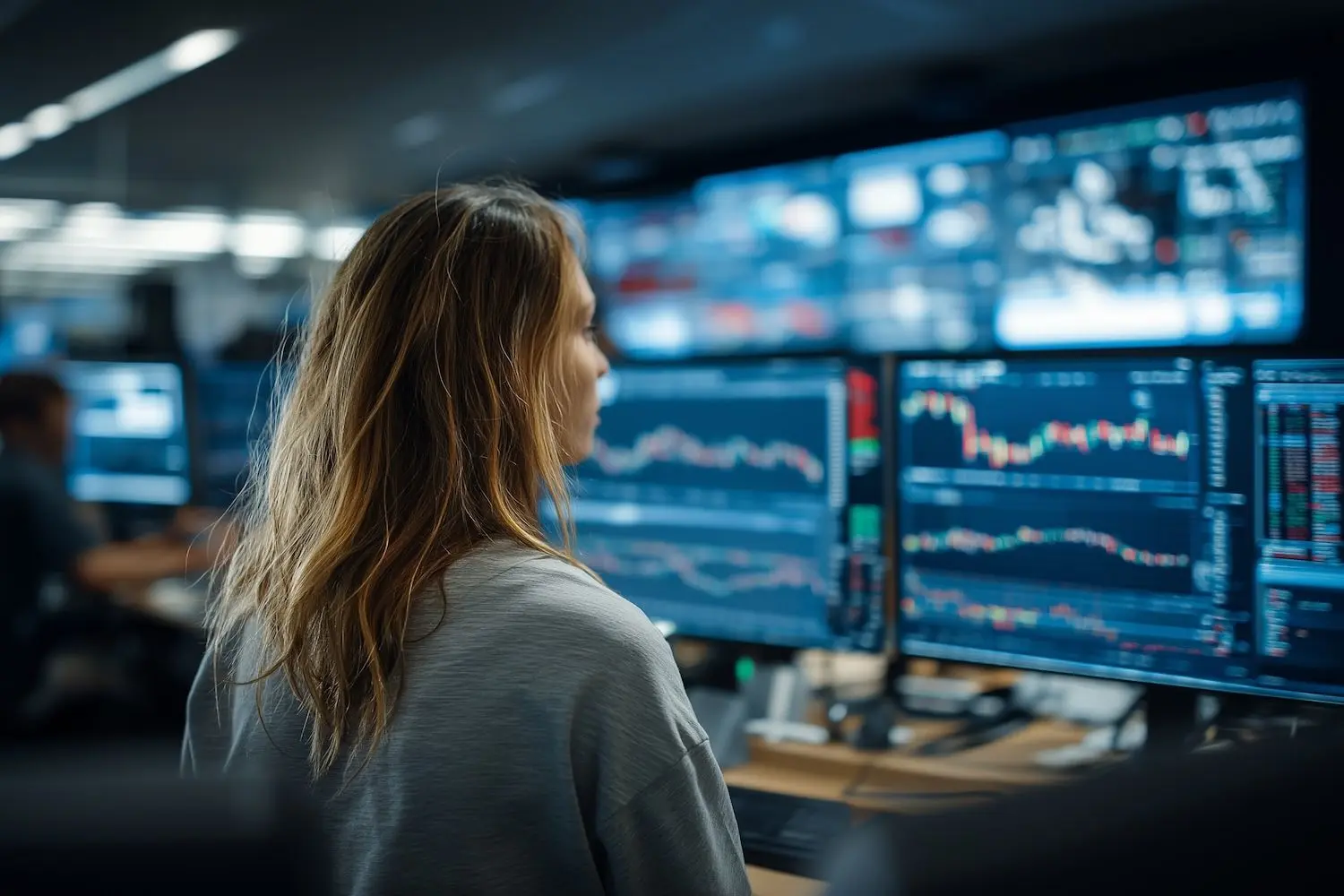
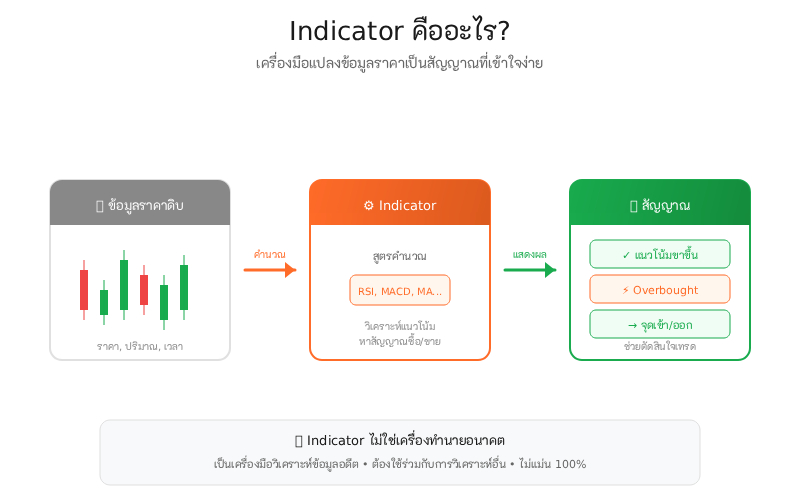
Day trading crypto focuses on short-term price movements within a single trading day. Traders look for small but frequent opportunities to buy or sell assets like Bitcoin and Ethereum, which have high liquidity and fast price action. Technical indicators such as moving averages, RSI, and volume are used to identify entry and exit points. Because this strategy involves many trades, managing fees and spreads is critical.
CFD trading and crypto futures
In place of stock purchase and sale, buying futures and crypto CFD trading some traders like CFD trading. Instead of buying certain cryptocurrencies, CFDs offer an opportunity to trade on price movements (speculate) either upward or downward. This is especially helpful when the market is undergoing a fall or is moving sideways. Leverage also becomes a subject, allowing for the potential of using it to many trader’s favor; however, it also carries additional risks that raise profits. Therefore, every trade must have a stop-loss order in place.
Long-term holding and portfolio building
Investors with a long-term focus tend to maintain their assets on a secure crypto wallet rather than leaving them on an exchange. Their portfolios normally center around large-cap tokens such as Bitcoin and Ethereum, combined with a bit of exposure to different types of cryptocurrency, such as stablecoins or blockchain utility tokens. They believe that over time the value of digital assets can increase in spite of short-term volatility.
Long-term holding and portfolio building
Long-time investors prefer to put their funds in a safe crypto wallet, rather than keeping them on a digital currency exchange. Investors primarily tend to like mainstream holdings such as Bitcoin and Ethereum while taking on some other exposure in terms of stablecoins or blockchain utility tokens. The rationale behind this approach is optimism that digital assets will appreciate over a period of time despite its short-term turnover.
Trading new cryptocurrencies
Traders look enthusiastically for the latest new cryptocurrency within a growing community with a resilient technology. These have a promise for such huge returns but really must be taken into consideration that they are subject to a lot of risk. Typically, traders use smaller-sized positions while regulating a very tight risk when trading freshly designed tokens.
Automation and bot trading
Automated systems and bots are ubiquitously used for tracking the market and executing trade according to a predetermined set of rules. They can adapt promptly to shifting price patterns, which are significant for fast-moving crypto markets. At times, bots come with CFD trading or crypto futures to undertake the management of several positions simultaneously.
Risk management across all strategies
In any case, risk management is imperative. While trading trainers can relate how cryptocurrency prices interact with fiat currencies, specify many orders on risk per position, and diversify exposure. The use of stop-loss orders and significant dilemma on position sizes plays a role in maintaining capital and a sustaining trading option in the long term.
How to choose a reliable crypto exchange
In deciding upon one, reliability is trained over regulatory compliance, security protocols, and customer feedback. Regulated exchanges in Thailand specify that funds are safer and further lawful in such a regulated environment as of their own. It might be further warranted in such conditions that features such as double-factor authentication, cold storage, and support from customer service are vital extractions.
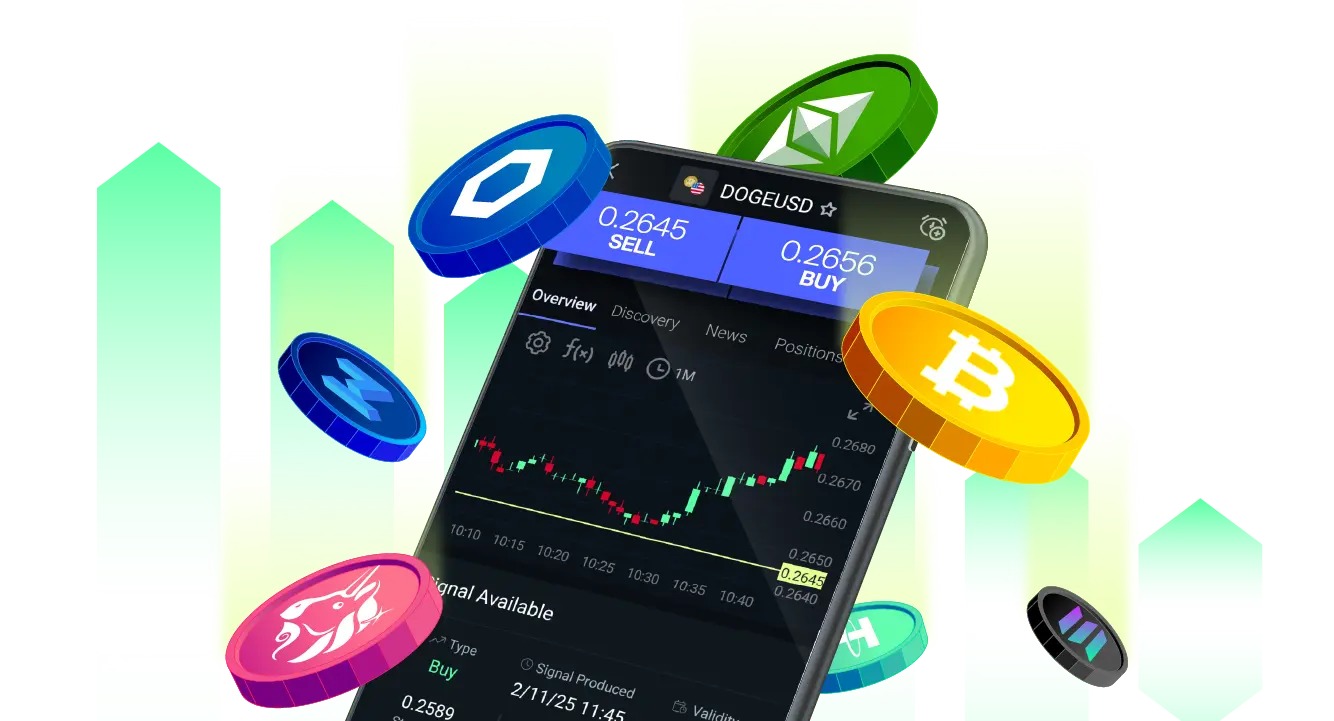
The fee imposed by the exchanges defines potential return price thresholds for an investor. Examination of withdrawal limits is imperative in determining a investment platform that is in alignment with the ultimate goals of trading. A single and an effective technical trading system would take care of the short-term market trends. Traders preference of the above mentioned system to be able to manage their risk and consequently, attain higher profitability.
Popular cryptocurrency markets and trading platforms
Thai crypto traders use a plethora of different financial markets in accordance with their trading goals, their appetite for risk, and the trading approaches and strategies deployed by the traders. While one trader may be focusing on long-term investing via exchanges, another may prefer short-term trading, derivatives, or automated strategies. This diverse division of trading tools helps the traders adapt to the volatile environment of the crypto market.
Some local exchanges like Bitkub and Satang Pro are commonly used to buy and sell cryptocurrencies with Thai baht. They are popular because they follow Thai regulations and allow real bank transfers. International exchanges such as Binance and OKX offer greater liquidity, trading pairs, and advanced order interfaces features that may be favorable to formal or active traders.
Despite the concern over whether or not tokens are considered securities in the U. S., central banks and securities regulators are now seen putting more thought into creating their own platforms regarding trading in blockchain-based markets. This is in response to the growing realizations that there is a need for examining how precisely the Brooksley Born 20th Century Commodity Futures Modernization Act modified the laws on derivatives trading in the CFTC versus the SEC. There really has been a vast boom in blockchain-regulating law since September 2017.
| Category | Purpose | Popular Examples |
|---|---|---|
| Crypto Exchanges | Buy, sell, and hold real cryptocurrencies | Binance, Bitkub, Satang Pro |
| Trading Platforms (CFDs & derivatives) | Trade crypto price movements without owning coins | Exnova, IQ Option, Sabiotrade |
| Market Analysis Tools | Charts, indicators, and price tracking | TradingView, CoinGecko |
| Portfolio Trackers | Monitor holdings and performance | CoinStats, Delta |
| Automated Trading | Execute trades based on algorithms or signals | Crypto bots, platform-built automation tools |
Different types of traders use different tools based on their objectives:
- Long-term investors focus on exchanges like Binance and Bitkub to hold Bitcoin, Ethereum, and other major coins.
- Day traders and scalpers prefer platforms such as Exnova or IQ Option because of fast execution and built-in charting tools.
- Algorithmic traders rely on bots and automated strategies connected to trading platforms or exchanges.
- Portfolio managers use tracking apps to monitor profits, losses, and asset allocation.
Not only are Thai apps an indispensable part these days, but also, almost all major exchanges and trading platforms now offer mobile versions to allow Thai traders to place orders, follow market prices, and manage risk from wherever they find themselves.
Security measures
Secure crypto assets should involve a multilayered security approach. This includes the utilization of hardware wallets to store information for prolonged periods, having strong passwords, and enabling two-factor authentication. It will also involve regular updates in everybody’s field of understanding so that people are no longer threatened by the phishing scam.
Tax implications
Thailand regards any gains by digital owners as taxable income. Thus individuals in this trade must comply with tax requirements, i.e., reporting profits and bearing losses with the revenue department. To engage in digital asset activities, complete records of dealings must be maintained and advice from tax professionals adhered to, so as to comply and avoid any legal consequences.
Having knowledge of the tax obligations helps embed digital asset activities in personal financial planning. For those trading in binary options, it is also important that they consider the tax implications of short-term gains while ensuring that their transactions remain properly documented in fulfillment of regulatory obligation.
Cryptocurrency trading FAQs
Is crypto trading legal in Thailand?
Yes, digital asset trading is legal when conducted on licensed platforms regulated by the Thai SEC, ensuring compliance with local laws and investor protection measures.
How do I start trading cryptocurrencies in Thailand?
Begin by opening an trading account on a licensed exchange, completing identity verification, depositing funds, and learning to navigate trading interfaces. Starting with small investments and educating yourself on market dynamics is recommended.
What are some crypto trading brokers?
Binance, Bitkub, OKX, Exnova, Sabiotrade, and IQ option are the widely used exchange platforms. These are platforms that allow for trading cryptocurrency in options or CFD type, depending on the type of trader they are and the risk they wish to take.
Is crypto dangerous?
Yes, there is risk, in crypto trading due to the value fluctuating and meager market speculation and cyber threat.
How to make money from cryptocurrency?
One can make good money in the crypto market by buying digital assets at low prices and then selling them at a higher price. Essentially, automated bots and signals trading from Quadcode powered platforms like Sabiotrade allow one to take advantage of the fast-paced market.
Which website is good for trading cryptocurrency?
Binance, Bitkub, IQ Option, Exnova and Sabiotrade are some of the most trusted websites/platforms in the world of crypto trading. These platforms are a secondary medium for both traders. Therefore, both beginners and experienced traders in Thailand can use the above mentioned platforms.
Do I need a crypto wallet to buy and sell Bitcoin?
No, you don’t need a bitcoin wallet to trade on an exchange, though it’s nice to have it for safekeeping purposes over the long term.
Read also about:




Leave A Comment