




Looking for a reliable Forex broker in 2026? At Th-Option we have shortlisted brokers based on spread, licensing, platforms and support quality. This guide helps you compare brokers side by side and decide with confidence.
What is Forex and what does a Forex broker actually do?
Forex stands for Foreign Exchange, the largest financial market in the world with more than 7 trillion USD traded daily. The market runs 24 hours a day, five days a week, which means traders can access it at almost any time without the session restrictions found in stock markets.
A broker is the intermediary that connects retail traders to institutional liquidity. Your broker provides the trading platform (MT4, MT5, cTrader), sets the spread and leverage, and defines account conditions. Choosing the right Forex broker therefore has a direct effect on your trading costs and your realistic profit potential.
Brokers serving retail clients range from firms with dedicated local support teams to large international operations regulated by FCA, ASIC or CySEC. Understanding the differences between broker types helps you match a provider to your own trading style rather than picking whichever name appears first in an advert.

Types of Forex brokers: ECN, STP and Standard
There are three main models. ECN (Electronic Communication Network) routes your order directly to liquidity providers with no dealing desk involved. STP (Straight Through Processing) works similarly but may pass some flow through a dealer. Standard, also called Market Maker, sets its own spread and charges no separate commission.
ECN raw accounts offer spreads from 0.0 pips but add a commission per lot. Standard accounts charge no commission but carry a wider spread, which suits beginners trading smaller volumes. Understanding this distinction lets you pick an account type that matches how you actually trade, whether that is scalping or longer-term automated trading with an EA.
| Criteria | ECN / Raw | STP | Standard (Market Maker) |
|---|---|---|---|
| Spread | From 0.0 pips | 0.1-0.5 pips | 1.0-2.0 pips |
| Commission | 3-7 USD per lot | Low or none | None |
| Order routing | Direct to market | Partly via intermediary | Dealing Desk |
| Slippage | Minimal | Low | Possible during news |
| Best for | Scalpers, EA traders | Day traders | Beginners, swing traders |
| Total cost | Low at high volume | Moderate | Low at low volume |
| Conflict of interest | None | Very low | Partial |
How to choose a trustworthy Forex broker in 2026
Start with licensing. A licence from the FCA (Financial Conduct Authority), ASIC (Australian Securities and Investments Commission) or CySEC is your assurance that the broker operates to recognised international standards. Second, check the spread and commission structure against your expected trading volume. Third, confirm the platform choice, whether MT4, MT5, cTrader or TradingView integration.
You should also check withdrawal speed and whether your local payment methods are supported, along with the quality of customer support. Brokers holding two or more top-tier licences are generally more trustworthy than those regulated in a single offshore jurisdiction, so weigh FCA and ASIC coverage together rather than in isolation.
XM broker: ranked first for beginners
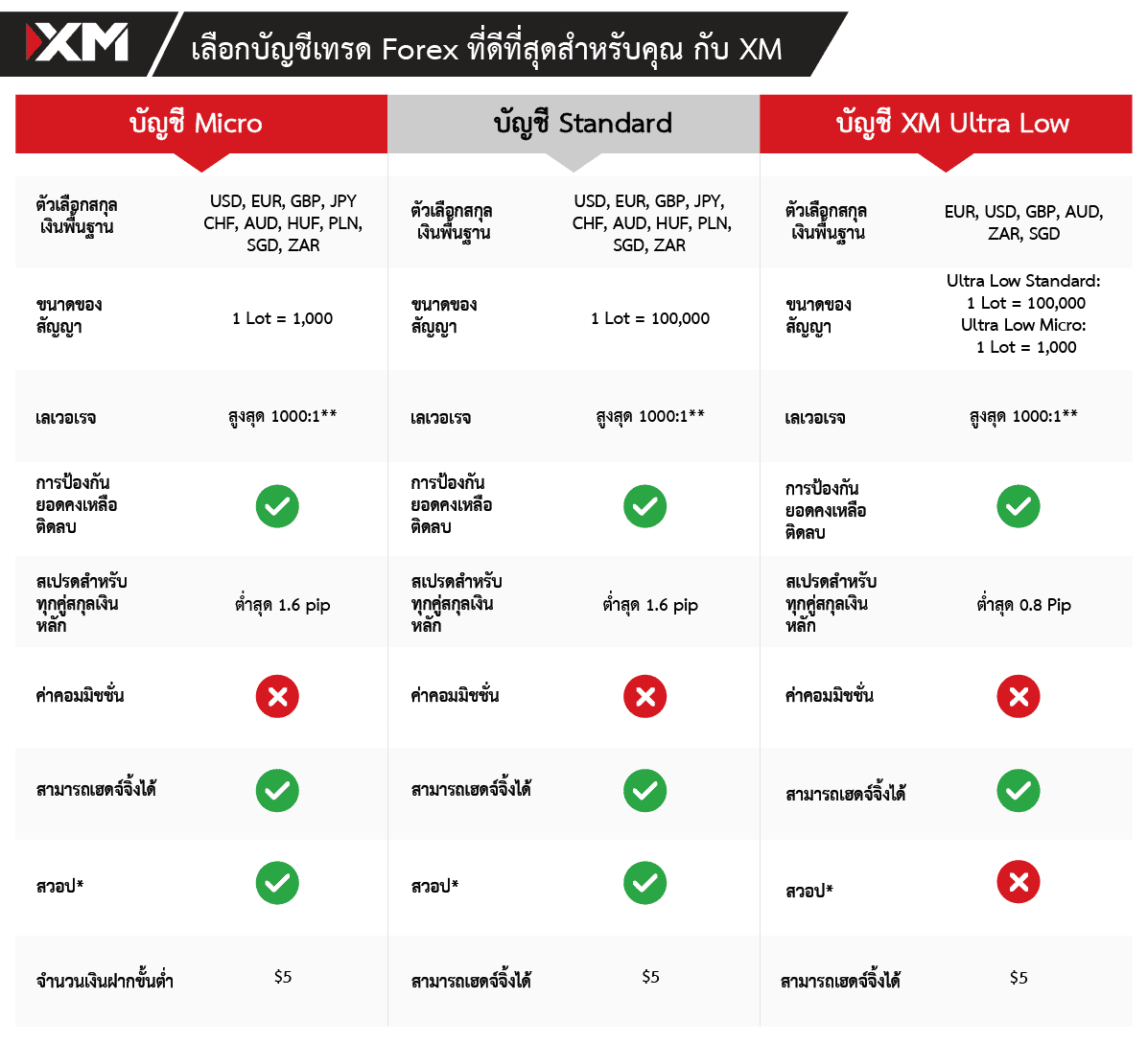
XM is one of the most widely used brokers among retail traders, holding licences from ASIC, CySEC and several other international regulators. XM offers a Standard account with spreads from 1.6 pips and a Zero account with raw spreads from 0.0 pips. Both MT4 and MT5 are fully supported, with leverage up to 1:888.
The standout feature of XM is its extensive educational programme and round-the-clock support team. You can open an account with just 5 USD and there is a free demo account available. This combination makes it particularly suitable for anyone starting Forex trading with limited capital who wants structured learning alongside a live account.
Pepperstone ranked second: the lowest ECN spreads
Pepperstone is an Australian broker regulated by ASIC, FCA and CySEC. Its strength is the Razor ECN account with raw spreads from 0.0 pips and a commission of 3.5 USD per side. It supports MT4, MT5, cTrader and TradingView, giving it the widest platform coverage in this list, which is why it is popular with EA traders.
Pepperstone provides access to more than 1,200 instruments across Forex, indices and commodities, with leverage up to 1:200 under ASIC. It suits intermediate to advanced traders who prioritise execution quality and low total trading costs over hand-holding and educational content.
Exness ranked third: fast withdrawals and flexible leverage
Exness holds licences from the FCA, CySEC, ASIC and several other regulators. Its Standard account starts from 0.3 pips while the Raw Spread account offers 0.0 pips with a 3.5 USD commission per lot. MT4 and MT5 are both supported and you can open an account with as little as 1 USD.
Exness stands out for its automated withdrawal system, which processes most requests almost instantly, and for its unusually flexible leverage terms. It has become a popular choice for traders who value withdrawal convenience and want flexibility in how they size their positions.
| Rank | Broker | Licences | Min spread | Commission/lot | Min deposit | Max leverage | Platforms | Best for |
|---|---|---|---|---|---|---|---|---|
| #1 | XM | ASIC, CySEC | 0.0 pips | $3.5/side | $5 | 1:888 | MT4, MT5 | Beginners |
| #2 | Pepperstone | ASIC, FCA, CySEC | 0.0 pips | $3.5/side | $200 | 1:200 | MT4, MT5, cTrader, TradingView | EA, scalping |
| #3 | Exness | FCA, CySEC, ASIC | 0.0 pips | $3.5/lot | $1 | Unlimited* | MT4, MT5 | All levels |
| #4 | FxPro | FCA, CySEC | 0.0 pips | $3.5/side | $100 | 1:200 | MT4, MT5, cTrader | Intermediate |
| #5 | Markets.com | CySEC, FCA | 0.6 pips | None | $100 | 1:300 | MT4, TradingView | Diverse CFDs |
| #6 | IC Markets | ASIC, CySEC | 0.0 pips | $3.5/side | $200 | 1:500 | MT4, MT5, cTrader | Scalping, EA |
| #7 | Tickmill | FCA, CySEC | 0.0 pips | $2/side | $100 | 1:500 | MT4, MT5 | Lowest cost |
| #8 | Admirals | FCA, ASIC, CySEC | 0.0 pips | $3/side | $100 | 1:500 | MT4, MT5 | Intermediate |
| #9 | IG Group | FCA, ASIC | 0.6 pips | None | $250 | 1:200 | MT4, TradingView | Share CFDs |
| #10 | Saxo Bank | FCA, ASIC, DFSA | 0.4 pips | None | $2,000 | 1:100 | SaxoTraderGO | Professionals |
* Exness unlimited leverage applies only when account equity is below $1,000 and other broker conditions are met.
FxPro and Markets.com: comparing European brokers
FxPro is regulated by the FCA and CySEC and has operated for over 15 years. Its Raw+ account offers spreads from 0.0 pips, while the Standard account charges no commission. MT4, MT5 and cTrader are all supported, and its long operating history gives it a solid stability record among European brokers.
Markets.com holds CySEC and FCA licences and offers over 2,200 instruments across a wide range of markets. Its Standard account spread starts at 0.6 pips and TradingView is available as a supplementary platform. It suits traders who want broad diversification across Forex and CFDs rather than the tightest possible Forex spreads.
| Broker | Standard account | Raw / ECN account | Raw commission | Total raw cost (per lot) | Best for |
|---|---|---|---|---|---|
| XM | 1.6 pips | 0.0 pips | $7/lot (r/t) | $7 | Beginners |
| Pepperstone | 1.0 pips | 0.0 pips | $7/lot (r/t) | $7 | Scalpers |
| Exness | 0.3 pips | 0.0 pips | $7/lot (r/t) | $7 | All levels |
| IC Markets | 1.0 pips | 0.0 pips | $7/lot (r/t) | $7 | EA traders |
| Tickmill | 1.6 pips | 0.0 pips | $4/lot (r/t) | $4 lowest | Cost-focused |
| FxPro | 1.2 pips | 0.0 pips | $7/lot (r/t) | $7 | Intermediate |
| Markets.com | 0.6 pips | No raw account | None | $6 | CFDs |
r/t = round trip (open plus close). Spreads vary with market conditions. Data as of June 2026.
Trustworthy Forex broker list: the 2026 rankings explained
The 2026 ranking runs: 1. XM, 2. Pepperstone, 3. Exness, 4. FxPro, 5. Markets.com, 6. IC Markets, 7. Tickmill, 8. Admirals, 9. IG Group, 10. Saxo Bank. Every broker on this list holds a licence from the FCA, ASIC or CySEC, which was the first filter applied before any other criteria were considered.
The ranking is based on eight criteria: licensing, spread, withdrawal speed, platform coverage, leverage terms, support quality, minimum deposit and overall reputation. Each broker was checked against real user feedback rather than marketing material alone, and all of them meet a reasonable baseline for client fund security.
| Broker | FCA (UK) | ASIC (AU) | CySEC (EU) | Total licences | Fund protection | Founded |
|---|---|---|---|---|---|---|
| XM | ✗ | ✓ | ✓ | 4 | £85,000 / €20,000 | 2009 |
| Pepperstone | ✓ | ✓ | ✓ | 6 | £85,000 / AU$250,000 | 2010 |
| Exness | ✓ | ✓ | ✓ | 5 | £85,000 / €20,000 | 2008 |
| IC Markets | ✗ | ✓ | ✓ | 3 | AU$250,000 / €20,000 | 2007 |
| Tickmill | ✓ | ✗ | ✓ | 3 | £85,000 / €20,000 | 2014 |
| FxPro | ✓ | ✗ | ✓ | 4 | £85,000 / €20,000 | 2006 |
| Saxo Bank | ✓ | ✓ | ✗ | 6 | £85,000 / DKK 100,000 | 1992 |
Frequently asked questions about Forex brokers
Which broker is best for beginners? XM and Exness, because both have very low minimum deposits and strong educational resources. Which broker is best for scalping? Pepperstone and IC Markets offer the tightest raw spreads with reliable execution. A trustworthy broker is one holding both FCA and ASIC licences rather than a single offshore registration.
For traders wanting exposure beyond currency pairs, Markets.com and IG Group offer the widest selection of indices, commodities and share CFDs. Every broker in this top ten has a mobile app that works well on both iOS and Android, and EA support through MT4 and MT5 is available across all of them.
| Broker | MT4 | MT5 | cTrader | TradingView | EA support | Copy trading | Islamic account |
|---|---|---|---|---|---|---|---|
| XM | ✓ | ✓ | ✗ | ✗ | ✓ | ✓ | ✓ |
| Pepperstone | ✓ | ✓ | ✓ | ✓ | ✓ | ✓ | ✓ |
| Exness | ✓ | ✓ | ✗ | ✗ | ✓ | ✓ | ✓ |
| IC Markets | ✓ | ✓ | ✓ | ✗ | ✓ | ✗ | ✓ |
| Tickmill | ✓ | ✓ | ✗ | ✗ | ✓ | ✗ | ✓ |
| FxPro | ✓ | ✓ | ✓ | ✗ | ✓ | ✗ | ✓ |
| Markets.com | ✓ | ✗ | ✗ | ✓ | ✗ | ✗ | ✓ |
To summarise: always test a demo account first, verify the licence independently, and test withdrawals with a small amount before committing significant capital. A good Forex broker is not simply the one with the lowest advertised spread. The best broker for you depends on your trading style, your capital size and your goals, so match the provider to your own requirements rather than to a generic ranking.








Leave A Comment